.png "MidnightXCross")
How To Create A Card Game Manga
How to Create a Card Game Manga (Step-by-Step Guide)

Create your own card game based world, design unique systems, and build strategic battles your readers will love!
Watch the Tutorial
Build Your Own Power System (Downloadable Resource)
If you want to actually design your own card system while following this tutorial, use the:
Power System Skill Tree Worksheet
- Map out your card categories and abilities.
- Structure your entire system through writing or art.
- Plan upgrades, skills, and mechanics.
Download it here: Power System Skill Tree Worksheet Set What You’ll Learn in This Guide
- How to design a card game for your story.
- How to create unique cards and abilities.
- How to build characters around play styles.
- How to structure intense battle scenes.
- How to avoid overwhelming your audience.
Start With the Card Game System
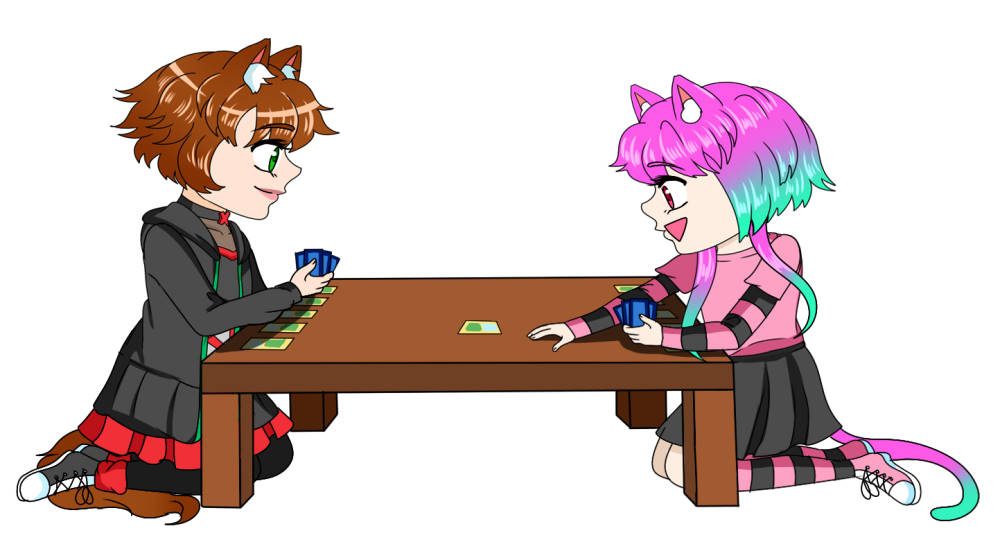
When creating a card game manga, the system comes first. Your story revolves around how the game works, so begin by defining a few simple rules:
- Goal: How does a player win?
- Turn structure: What happens each turn?
- Card types: Categories like creatures, items, or abilities.
- Resource system: Energy, points, or deck mechanics.
You don’t need to overwhelm yourself by developing the entire card game! Start simple, with enough structure to support your story as you write it.
Designing Cards That Stand Out
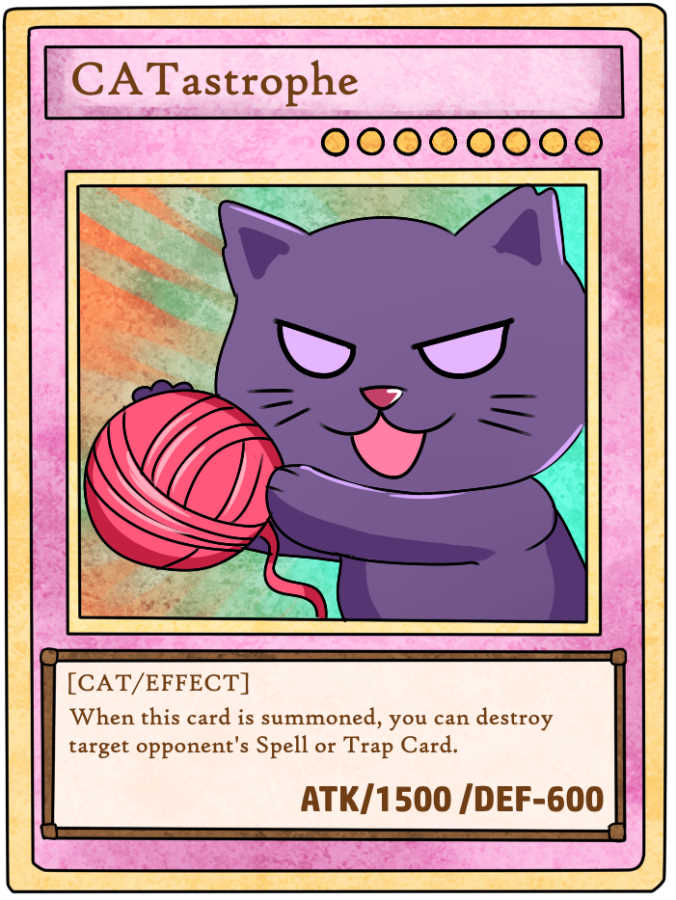
The design of your cards are the visuals that will keep your readers interested. Each card should include:
- A name.
- Artwork.
- Stats or values.
- A clear ability.
To make your system more engaging, you can use colour coding for categories, create rare or unique cards, or design abilities that look exciting in battle scenes.
Designing Characters Through Playstyle
Designing characters through playstyle can add depth to a card game world. In this kind of setting, how a character plays is not just a mechanical choice but a reflection of who they are. Their strategy (aggressive, defensive, or unpredictable) can reveal key aspects of their mindset and values.
The types of cards they prefer may hint at their strengths, fears, or ambitions, while their personality naturally influences the decisions they make during a duel.
You can also create compelling contrasts by designing characters whose outward appearance clashes with their playstyle, making them feel intriguing in your world.
Building a World Around the Game
In a card game series, the world is literally based around the game. This can include organised tournaments and high-stakes competitions, as well as smaller local matches that build rivalries and connections. Card trading, social events, and gatherings centred around the game can give you more opportunities to present it in your story.
Additionally, social dynamics may be shaped by skill level or access to rare cards, influencing status and relationships.
How to Structure Battle Scenes
Strong battles follow a clear progression. This includes:
- Introduction: Reveal the protagonist’s setup.
- Strategy: Show their thinking.
- Counter: The opponent responds.
- Twist: A surprise changes the game.
- Finale: A decisive move ends the match.
Use unpredictability to keep your readers on the edge of their seats!
Keep It Simple
Simplicity is always better in the beginning. You don’t need a complex system to start right away, and in fact, a smaller approach can make your game easier to understand and more enjoyable to develop.
Begin with a set of around 20–30 cards, organise them into a few categories, and establish simple rules that can be developed as you continue to create your story. This approach allows your card game to grow naturally alongside your manga or comic, giving you room to build on ideas over time without it becoming overwhelming.
Plan Your System Visually
If you’re struggling to organise your ideas, I suggest planning the abilities one at a time.
The Power System Skill Tree Worksheet set helps you:
- Connect abilities and upgrades.
- Structure your card categories.
- Build a system that actually makes sense.
Get it here: Power System Skill Tree Worksheet Set
Avoid Info Dumps
Avoid overwhelming your audience with large info dumps at the beginning. Instead of explaining every rule upfront, it’s more effective to reveal how things work through the story itself.
You can introduce rules gradually during matches, allowing readers to pick them up in context and learn naturally as events unfold. Early scenes can act like a tutorial, guiding the audience step by step without breaking immersion or slowing down the pacing.
Make Every Duel Matter
Every duel should have a purpose. When writing a duel, ask yourself:
What does each character want?
What happens if they lose?
When both sides have clear goals, your story becomes far more engaging.
Conclusion
A good card game system isn’t about being overly complex; it’s instead about how well it supports the story you want to tell. Focus on what makes your characters and their playstyles unique, and let the system grow naturally as you develop your world.
If you’d like to take this a step further, you can use the Power System Skill Tree Worksheet to help bring your power system together step by step.
And if you’re creating your own card game manga, comic, or light novel, feel free to share your ideas or questions below. I’d love to see what you come up with!

