.png "MidnightXCross")
How To Create A Manga Protagonist
How To Create A Manga Protagonist (Step-By-Step Guide)

Learn how to create a memorable protagonist in your manga.
Watch the Tutorial
Develop Your Protagonist (Downloadable Resource)
Build your protagonist alongside the tutorial, using my:
Protagonist Development Worksheet
- Establish the foundation of your protagonist, including goals, motivations, strengths, and flaws.
- Craft a backstory that shows the experiences that shaped your protagonist.
- Reveal their internal and external conflict, making them feel more believable in the story.
- Write a growth arc, showing how they will change throughout events they face along the way.
Download it here: Protagonist Development Worksheet What You’ll Learn in This Guide
- How to create a memorable manga or comic protagonist.
- The importance of motivations in creating a goal.
- Adding personality traits which make your protagonist stand out.
- Building characters who bring out the best (and worst) in your main character.
- Creating a design that feels unique in a manga or comic.

Creating a Protagonist That Drives Your Story
The protagonist is at the heart of any story. They are the character the readers follow, experience the world through, and often root for. So, when you set out to create your protagonist, one of the first things to consider is their goal.
This goal typically serves as the main objective of the story itself. By giving your protagonist a clear and strong goal, you're not only giving them direction but also establishing a driving force that pushes the narrative forward.
The goal could be anything from defeating a villain, protecting someone, uncovering a hidden truth, or even personal growth. Whatever it is, this motivating force should keep the character moving forward, even in the face of impossible odds. When readers see their commitment, they’ll be more invested in the journey!
Balancing External and Internal Conflict
Pairing their external struggles with an internal flaw or emotional conflict adds depth and believability. For example, in a shoujo romance, the external conflict could revolve around a love triangle or a rival, while the internal struggle might be a lack of self-worth or a fear of rejection.
This balance between internal and external conflict makes the character’s journey feel more relatable, no matter the genre. The internal struggles will make every victory more satisfying, as readers can see how much effort and growth are required for the protagonist to overcome both internal doubts and external challenges.

Developing Distinct Personality Traits
To make your protagonist memorable, focus on crafting distinct personality traits. These traits will shape how the character reacts in various situations and how readers perceive them.
Think about summarising your character with just three traits; one major trait and two smaller subtraits.
For example, you might describe your protagonist as confident (major trait), empathetic, and courageous (subtraits). A protagonist who is purely courageous or only empathetic can come across as flat.
By giving them a mix of traits, you'll create a character who feels like a real person, capable of growth and complexity.
Making Their Motivation Relatable
A protagonist’s motivation is the key to their actions and decisions. This motivation should be relatable, and the stakes should feel significant. Ask yourself, "What happens if they fail to achieve their goal?" This sense of loss adds weight to the story and gives readers something to root for.
The Protagonist Development Worksheet helps you create motivations based off your character's backstory. This allows you to make their current journey more important!
Designing Your Protagonist
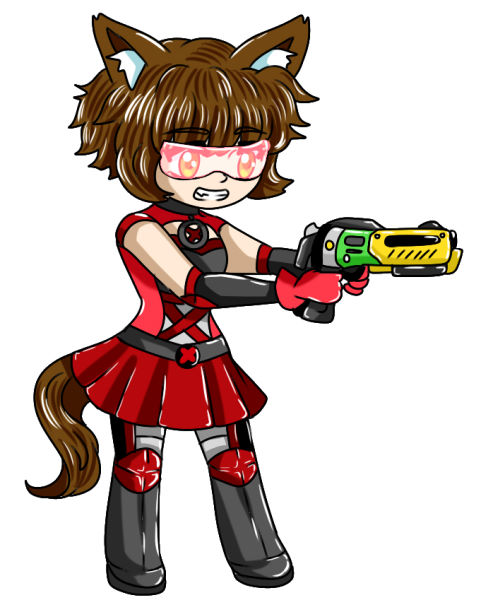
When designing your protagonist, remember that their appearance should reveal their personality and role in the story. Avoid making your protagonist’s look too generic or similar to other characters in the story. Consider their hairstyle, clothing, and accessories carefully. These design elements should reflect the character’s personality and background.
For example, a shy character might wear more subdued, formal clothing, while a bold, confident character might have wild, spiky hair or bright, unconventional attire. Think of your protagonist’s design as a visual storytelling element that provides insight into who they are and where they come from.
Signature Abilities and Skills
To further define your protagonist, give them a unique skill or ability that sets them apart from others. This can range from sword fighting or magic abilities in a fantasy setting, to more grounded skills like cooking, painting, or crafting. The key is to make this ability something the protagonist excels at, yet imperfectly so.
For example, if your character is a skilled fighter, they might be highly capable, but their lack of strategic thinking could lead them to make mistakes in battle. A well-defined skill gives your character a sense of expertise and purpose.
The Journey of Growth Through Character Arcs
One of the most important aspects of your protagonist is the character arc. Over the course of the story, your protagonist should grow, evolve, and overcome challenges. This arc allows the character to transform from who they are at the beginning to who they become at the end.
Think about how your protagonist starts the story and what experiences will lead them to grow. Perhaps they become more selfless, more determined, or more aware of the consequences of their actions. This development keeps the readers engaged and invested in the protagonist’s personal growth.
Relationships That Shape the Protagonist
Your protagonist needs relationships with other characters to show different sides of themselves and help them grow. Whether it’s friendship, rivalry, or mentorship, these interactions can reveal other sides of your protagonist’s personality that the reader might not have seen before.
These secondary characters can challenge, support, or influence your protagonist’s journey, making their evolution more meaningful. Consider how your protagonist’s relationships evolve throughout the story and how these connections contribute to their overall growth.
The Importance Of Flaws
No one is perfect, and neither should your protagonist be. A protagonist who never makes mistakes or faces failure can quickly become frustrating for readers. It's essential that your character has flaws that they must confront over the course of the story.
These flaws not only make your protagonist more realistic, but they also make their successes feel more satisfying. Failure in the face of challenges can also serve as a powerful motivation to drive the story forward, heightening the stakes and tension.
Unique Features and Catchphrases
To make your protagonist even more memorable, you might consider giving them a catchphrase, a specific mannerism, or a unique trait that makes them stand out. While these should be used sparingly, small recurring details can make a character unforgettable.
Perhaps they always carry a particular item, or they have a signature line they say at particular moments. These features add a layer of depth and help reinforce their personality. But be careful not to overdo it; keeping these traits special and meaningful is the key to making them memorable!
Integrating Story Themes
Your protagonist’s journey should align with the underlying themes of your story. Whether the theme is freedom, identity, or personal growth, your protagonist’s experiences and challenges should reflect and reinforce this theme.
Their personal growth and decisions should feel connected with the broader messages of your manga or comic. This consistency will help to create a cohesive narrative that resonates deeply with your readers.

Conclusion
Creating a protagonist is about striking a balance between their internal struggles, external goals, personality traits, relationships, and design. When done right, they will not only drive the plot forward but also become a character that readers care about.
To help you in this process, check out the Protagonist Development Worksheet, where you can dive deeper into your protagonist’s traits, goals, and arc. With the right tools and strategies, you’ll be able to create a character that stays with your readers long after the story ends!