.png "MidnightXCross")
How To Create A Shounen Protagonist
How To Create An Incredible Shōnen Protagonist
In this lesson, we're going to look at how you can create an incredible shōnen protagonist for your manga, comic or light novel. We'll explore everything from developing your character's goals and weaknesses to designing their appearance and planning their character growth.
Whether you're creating an action-packed adventure or a shōnen slice-of-life series, these tips will help you build a protagonist that your readers can connect with and follow throughout the story.

First of all, let's talk about what a protagonist actually is.
The protagonist is the main character in your manga, comic or light novel. In a shōnen series, they're usually the character who helps drive the story forward. They usually have a big dream or goal that influences the main events of the story.
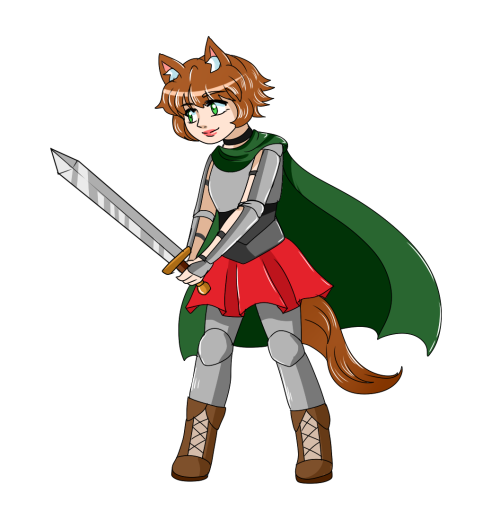
To create a strong dream for your protagonist, start by thinking about who they are as a person. Ask yourself what matters most to them, and why.
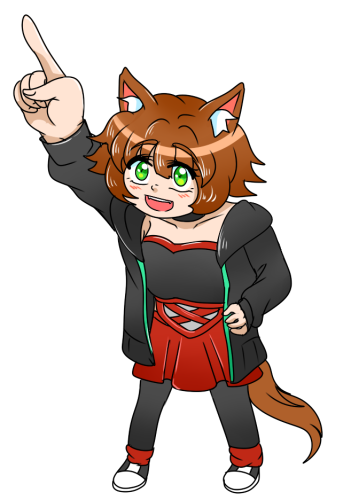
Imagine you're creating a protagonist whose dream is to become the greatest manga artist in the world. Perhaps they grew up reading manga and were inspired by a particular series, or maybe drawing became a way for them to express themselves when they were younger.
Their dream now has a personal meaning, which gives readers a reason to care about what they're trying to achieve.
By understanding where your protagonist's dream comes from, you can make their goal feel much more meaningful.
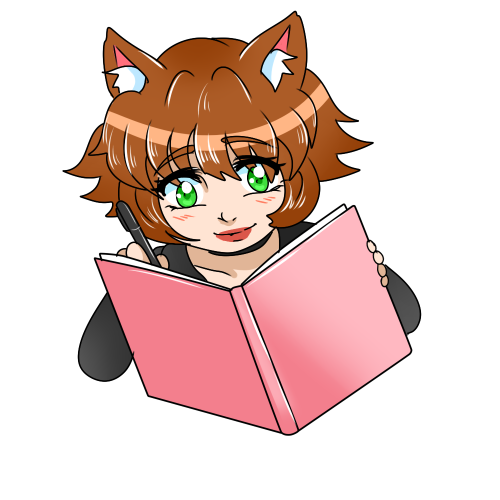
Write down your protagonist's biggest dream. Then ask yourself why they want to achieve it. Keep asking why until you discover a reason that feels personal and meaningful to your character.
One of the most important elements in shōnen is characters working together to achieve a goal.
Even if your protagonist has a very personal dream, they don't necessarily need to achieve it alone. In fact, creating opportunities for other characters to help them can make your story much more interesting.
Think about your protagonist's skills and abilities. Focus on what they are good at, and which skills they would need to develop to achieve their dream.
You can then introduce other characters who have skills that complement your protagonist's abilities.
Let's say your protagonist wants to create a successful manga series. They're an incredible artist, but they're not very good at writing stories.
Along the way, they meet another character who loves writing but struggles with drawing. By working together, they can combine their skills and create something neither of them could have achieved as easily on their own.
Their differences become a strength, and their relationship can develop as they work towards their shared goal.
This also gives your supporting characters an opportunity to contribute to the story rather than simply following the protagonist around.
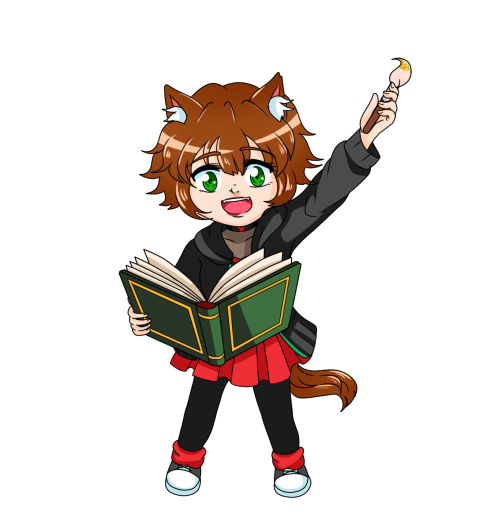
Your protagonist doesn't need to be the best at everything. Give them strengths that help drive the story, but also leave room for other characters to contribute. This will make your cast feel more meaningful and give your protagonist more opportunities to grow.
World-building is one of the most important elements of a good shōnen series, but it's important to think about how your world supports your story.
The purpose of your world isn't just to look interesting. It should give your protagonist opportunities to explore, meet new characters, experience challenges and learn more about themselves.
Imagine your protagonist begins their journey in a small, peaceful village.
They then travel to a bustling trading city, where they meet new allies and discover information about their goal.
Later, they might visit a dangerous mountain region where they have to overcome a challenge that tests their abilities.
Each location offers something different, helping the protagonist's journey feel like a meaningful adventure.

Instead, try giving each location its own challenges. This helps readers feel as though they're discovering something new alongside your protagonist.
Create a simple map of your story's world and mark three locations your protagonist could visit. For each location, consider what makes it unique, which characters they might meet there and how visiting that place could affect their journey.
As we've discussed, your protagonist shouldn't be a perfect character. One of the best ways to make them more relatable is to give them weaknesses and limitations.
Your protagonist might seem courageous on the surface, but what are they secretly afraid of?
These weaknesses help make your character feel more human. Readers can connect with characters who struggle and have to work through their fears.
Your protagonist might be an incredibly talented fighter, but they could be afraid of failing the people who depend on them.
At first, this fear might cause them to hesitate during important moments.
As the story progresses, they learn that making mistakes doesn't mean they've failed everyone, and they gradually become more confident in their abilities.
Their growth becomes about more than simply becoming stronger in battle. They also develop emotionally.
The important thing is that your protagonist doesn't overcome every challenge instantly. Let them struggle and gradually become stronger along the way.
What is your protagonist afraid of, and how does that fear affect their decisions? Think about how this weakness might create problems at the beginning of the story and how your protagonist could learn to overcome it later.
Another important character to consider is the foil.
A foil is a character who highlights the qualities your protagonist lacks, usually by having contrasting personality traits, abilities or values. This contrast helps both characters stand out and can make their relationship much more interesting.
In shōnen, the foil is typically a rival or an antagonist, although these roles don't always have to be the same character. Sometimes a rival can act as a foil without being an enemy, while an antagonist might highlight the protagonist's weaknesses through their opposing beliefs or behaviour.
There are a few things you can consider when creating a foil character.
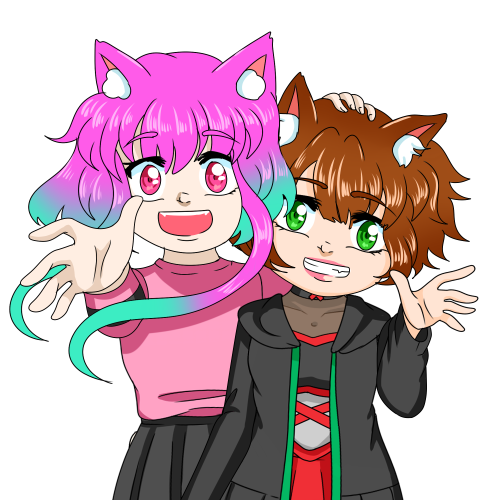
Your foil will usually have a contrasting personality to your protagonist. If your protagonist is loud and outgoing, their foil might be quiet and reserved.
However, you don't always need to make their personalities complete opposites. Sometimes a more subtle difference can be just as effective.
For example, two characters might both be confident, but one believes in helping others while the other believes that personal success matters above everything else.
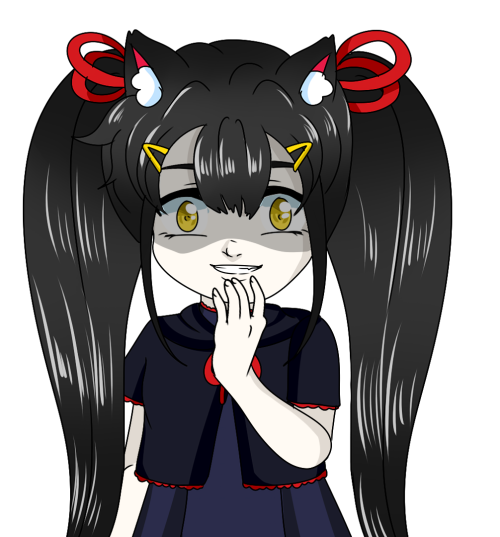
You can also use abilities to create contrast between your protagonist and their foil.
If your protagonist has light-based abilities, their foil might use shadow-based abilities. Alternatively, your protagonist might rely on physical strength while their rival uses strategy and intelligence.
These differences give you opportunities to create interesting battles and situations where each character has to think differently.
Your protagonist might be an energetic fighter who believes that teamwork is the key to success. Their rival could be a calm, highly disciplined fighter who believes that relying on others is a weakness.
Both characters might be equally determined to become stronger, but their different beliefs lead them to approach challenges in completely different ways.

Colour can also help you visually distinguish your protagonist from their foil.
Complementary colours sit opposite each other on the colour wheel, such as blue and orange or red and green. Using contrasting colours can help make two characters stand out when they're shown together.
You don't have to use complementary colours in every design, but it's worth considering how the colours of your protagonist and foil work together.
When you're watching your favourite shōnen anime or reading manga, pay attention to the rival and antagonist characters. Consider how their personalities, abilities and designs contrast with the protagonist's qualities.
You'll find that these differences help make both characters more memorable.
A foil character shouldn't exist only to make your protagonist look good. Give them their own motivations, strengths and beliefs. The more developed both characters are, the more meaningful their contrast will feel.
A strong character design should look appealing, but it should also communicate something about who the character is. Ideally, readers should be able to get a general idea of your protagonist's personality just by looking at their appearance.
There are three main elements I'd recommend considering: functionality, personality and colour scheme.
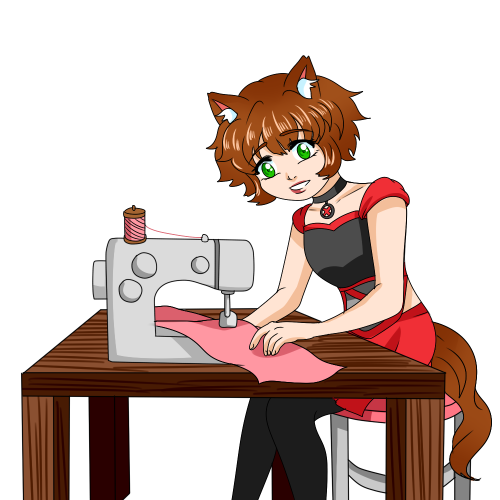
First, think about how your character's design works.
A shōnen design should look good, but the different elements should also have a purpose. Consider whether their outfit makes sense for the activities they participate in and whether their accessories or equipment have a practical use.
For example, if your protagonist spends most of their time fighting, their clothing should allow them to move comfortably. A character who travels through dangerous environments might need protective clothing or useful equipment.
Of course, you can still include exaggerated or fantastical elements, especially in manga and light novels. The important thing is to consider how the design fits into your story.
Personality
Next, consider how your protagonist's personality influences their appearance.
This is why developing your character's backstory is so important. Their experiences help shape their personality, and their personality can influence how they dress and style themselves.
You want their design to feel like a natural extension of who they are.
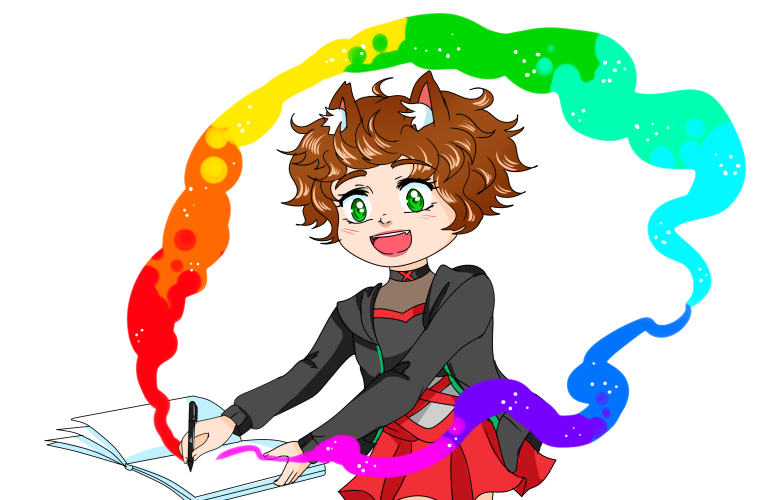
Finally, think about your protagonist's colour scheme.
Colours can create different visual impressions, especially when they're combined in particular ways. Understanding the colour wheel can help you choose colours that work well together.
Complementary colours sit opposite each other on the colour wheel, while analogous colours sit next to one another and can create a more harmonious appearance. You can also experiment with triadic colour schemes, which use three colours spaced relatively evenly around the colour wheel.
Each approach creates a different visual effect, so consider what works best for your character.
Colour associations can also help communicate aspects of your protagonist's personality. For example, red is often associated with energy, confidence or anger; blue can suggest calmness or stability; and green can evoke nature or peace.
Here are some common associations you might want to explore:
Red: Confidence, energy, anger
Orange: Creativity, happiness, excitement
Yellow: Happiness, friendship
Green: Nature, peace
Blue: Stability, calmness
Pink: Romance, kindness
Purple: Wealth, mystery
Black: Authority, elegance, power
White: Peace, innocence
Keep in mind that these are creative associations rather than strict rules. The meaning of a colour can change depending on the context it's paired with.
When designing your protagonist, think about how the colours make you feel together. That same visual impression can help communicate the mood or personality you're aiming for in your story.
Create three different colour schemes for your protagonist. Try one using complementary colours, one using analogous colours and one using a triadic colour scheme. Compare the results and consider which one best reflects your character's personality.
It's important to think about who your character is at the beginning and who they become by the end. Their skills, beliefs, confidence and relationships might all change as they experience new challenges.
A useful way to plan this is to create character progression stages. These stages help you identify the important events your protagonist needs to experience in order to grow.
Let's look at a simple progression template you can use.
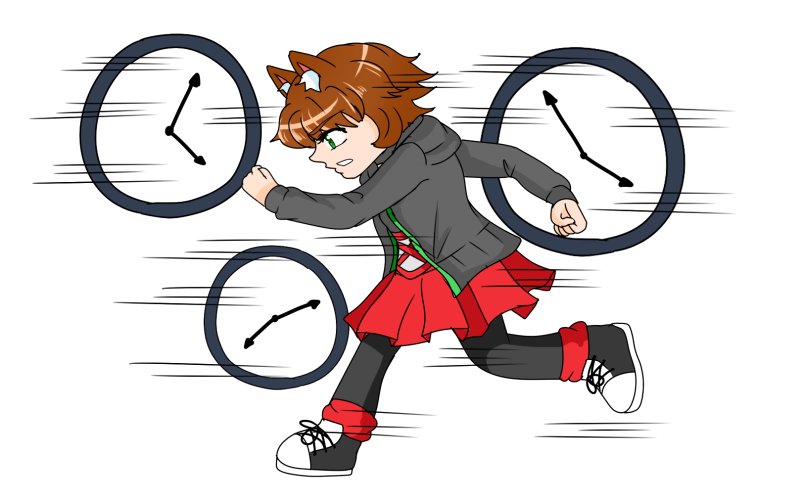
Stage 1: Origins
This is who your protagonist is at the beginning of the story.They might have limited skills, be a little naive or misunderstand how the world works. They may have a big dream, but they don't yet have the experience or knowledge needed to achieve it.
This stage establishes your protagonist's starting point and gives you a foundation for their development.
Stage 2: The Threat
Next, introduce an event that challenges your protagonist.This event might reveal their weaknesses or show them that their current abilities aren't enough to achieve their goal. They might begin questioning themselves and wondering whether they're capable of becoming stronger.
The threat gives your protagonist a reason to change.
Stage 3: Training
After encountering the threat, your protagonist begins working towards overcoming it.In an action-focused series, this might involve physical training or developing a better strategy. In other genres, training could involve conversation and learning from others.
The important thing is that your protagonist actively tries to improve.
Stage 4: Failure
At this point, your protagonist experiences a significant failure.They might believe that their training has prepared them for the challenge, only to discover that they still aren't ready. Perhaps they make a mistake or fail to protect someone they care about.
This failure should have an impact on your protagonist. It shows them that becoming stronger isn't always a straightforward process.
Stage 5: The Dark Night of the Soul
Following their failure, your protagonist enters a period of doubt.They might question their abilities or even consider giving up on their dream. This is an opportunity to explore their emotions and show readers how deeply the failure has affected them.
The character doesn't necessarily need to be alone during this stage. Their friends might try to help them, although your protagonist may still need to work through their doubts before they're ready to move forward.
Stage 6: Hero Time
Finally, your protagonist experiences a moment of realisation.They understand what they need to do differently and find the courage to keep going despite their fears.
This doesn't necessarily mean they suddenly become overpowered. Instead, they use what they've learned throughout their journey to face the challenge in a new way.
Their eventual success feels more meaningful because readers have seen the growth that led to it.
- Establish the starting point. Decide who your protagonist is at the beginning, including their skills, weaknesses and beliefs.
- Introduce a challenge. Create an event that reveals a limitation or forces your protagonist to question themselves.
- Give them an opportunity to improve. Let them train, learn from others or develop a new approach.
- Make them struggle. Allow them to experience a meaningful failure that shows them what they still need to learn.
- Explore their doubts. Give them time to reflect on what happened and question how they can move forward.
- Show their growth. Let them apply what they've learned to overcome the challenge or make a better decision.
- Connect the growth to the next stage. Consider how this experience prepares them for the next challenge in your story.
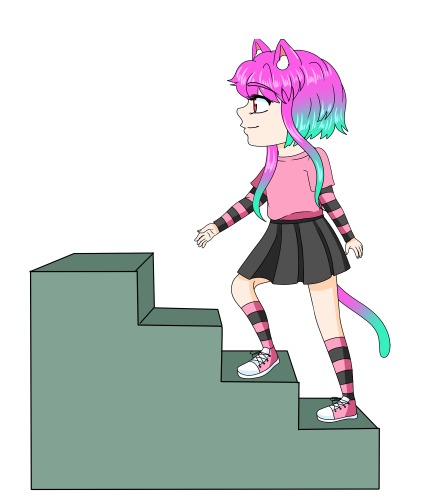
You can use this progression template for more than just action-packed shōnen stories.
For example, let's say you're creating a shōnen slice-of-life series about a student who wants to achieve excellent grades.
At the beginning, your protagonist might be struggling with their studies. They encounter a threat when they realise they're at risk of failing an important exam. They begin studying hard, but despite their efforts, they still fail a test.
This leads to a period of doubt where they question whether all their studying has been worthwhile. Eventually, their friends help them realise that they need to change their study techniques and ask for support when they need it.
They try a different approach and gradually learn how to overcome the challenge.
As you can see, the same general progression can work across different genres. The nature of the threat, training and failure might change, but the underlying idea remains similar: your protagonist faces a challenge, struggles with it and learns something that helps them grow.
You can also use this progression on a smaller scale within individual story arcs. Your protagonist doesn't need to follow the entire template only once throughout the series. They can experience smaller cycles of character growth as the story continues.
Don't make your protagonist's growth happen too easily. If they overcome every challenge immediately, their victories might not feel particularly meaningful.
Give your character time to make mistakes and learn from their experiences. Their development will feel much more satisfying when readers can see the effort behind it.
One final recommendation is to look at the shōnen anime and manga you already enjoy.
Pay attention to how the protagonists are introduced and how their relationships with others influence their journeys. Consider how their weaknesses create challenges and how they change throughout the story.
You can also study their rival characters and character designs. Notice how different personalities, designs and colour schemes help distinguish characters from one another.
Choose one of your favourite shōnen protagonists and identify their main dream, greatest weakness, foil character and most important moment of growth. What can you learn from the way their story is structured?
It can be especially helpful to look at how a protagonist behaves early in a series compared with how they behave later.
These are the kinds of details that can help you become more confident when developing your own shōnen protagonist.
Start by understanding what your protagonist wants and why that dream matters to them. Give them strengths that help them pursue their goal, but also include weaknesses that create opportunities for other characters to support them.
Build a world that encourages exploration and introduces new challenges, and consider using a foil character to highlight your protagonist's unique qualities. When designing their appearance, think about functionality, personality and colour.
Most importantly, plan how your protagonist will grow. Consider who they are at the beginning and how they'll grow over time.
Your protagonist doesn't need to be perfect. In fact, their imperfections are what make them interesting. Let them make mistakes and discover new things about themselves as they work towards their dream.
The protagonist is the most important character in your story. This worksheet is an 11 page printable PDF designed to help write a main character that stays in your readers' minds long after the story is finished.
When you're creating a protagonist, knowing their backstory is crucial. This worksheet gives you an organised guide for shaping their development and breaking the process into its essential components. It takes you through building personality, realistic motivations, internal and external conflict, relationships, and growth, so you can create a main character who feels believable.
Final Thoughts
I hope this lesson has helped you understand how to create an incredible shōnen protagonist for your manga, comic or light novel!I'd love to hear about the kind of protagonist you're creating, so feel free to share your ideas and thoughts in the comments. What is your character's biggest dream, and what kind of journey will they go on to achieve it?
Thank you so much for reading, and I hope you have an amazing time creating your story!
Related Posts


Related Products

Character Creator Bundle: Printable Writing Worksheets
AUD $16.99 AUD $23.95
Character Creator PRO Bundle: Printable Writing Worksheets
AUD $26.99 AUD $37.95