.png "MidnightXCross")
How To Create A Shounen Manga For Beginners
How to Create a Shounen Manga
Creating a shounen manga can seem like a huge project, but you can make the process much easier by breaking it down into smaller stages. In this lesson, we'll look at the basic process of creating your own shounen manga or comic, from brainstorming your first ideas all the way through to finishing your pages.
What Is Shounen?
Shounen is a manga demographic traditionally aimed at a teenage male audience. Shounen stories can cover a huge variety of genres, but they tend to feature characters who are determined to achieve their goals, overcome challenges and grow alongside their friends and rivals. Shounen manga can look very different from one series to another, but some common visual features include distinctive character designs, dynamic camera angles and lots of movement. When designing your pages, think about how your camera angles can help show the action. Looking up at a character can make them appear more powerful, while looking down at them can make them appear more vulnerable. Motion lines can also help emphasise movement and action.
Don't feel like you need to copy a particular shounen art style. Instead, pay attention to the elements you enjoy and think about how you can use those ideas to develop your own style.
Before you start drawing, it's helpful to figure out what kind of shounen manga you actually want to create.
Start by thinking about the genres you enjoy. Shounen can include fantasy, science fiction, action, adventure and many other genres, so consider which ones you would like to combine with your story.
You can also think about themes.
Some common shounen themes include:
- Going on a journey to find a person or mysterious object.
- Struggling to fit in before finding a new sense of belonging.
- Working together with people you previously couldn't get along with.
- Overcoming challenges and growing alongside your friends.
Themes are the feelings or messages that you want your audience to take away from your story. They can change depending on the genre and type of story you want to tell.
It's also helpful to pay attention to the visual styles you enjoy. Look at things like line art, character designs, eyes, clothing and the way movement is shown.
The goal isn't to copy these ideas. Instead, use them as inspiration to figure out what you want your own shounen manga to look and feel like.
Write down three genres, three themes and three visual elements that you would like to include in your own manga.
Once you have some ideas for your manga, it's time to create your main characters.
Depending on your story, you could include:
- A protagonist
- An antagonist
- A deuteragonist or multiple deuteragonists
- Friends
- Rivals
- Love interests
- Mentors
When designing your characters, start simple and gradually add more detail. You don't need to create the perfect design straight away.
Colour can also be a useful part of your character design. Understanding the colour wheel can help you create different effects.

Complementary colours can create a bold contrast, while monochromatic colours can create a softer look. Triadic colour schemes can also create a strong, colourful design.
The most important thing is to make sure your character's design fits who they are and the world they live in.
Ideally, you should be able to look at your character and get an idea of their personality just from their appearance.
Test Your Character Silhouette
A simple way to check whether your character design stands out is to turn them into a silhouette.
If you can still identify the character from their silhouette, they probably have some distinctive features in their design. If they blend into the silhouette too much, consider adding some features that will help them stand out.

Once you have your characters and basic ideas, it's time to plan your story.
There are several different ways you can structure your manga, so choose the method that works best for you.
Kishotenketsu
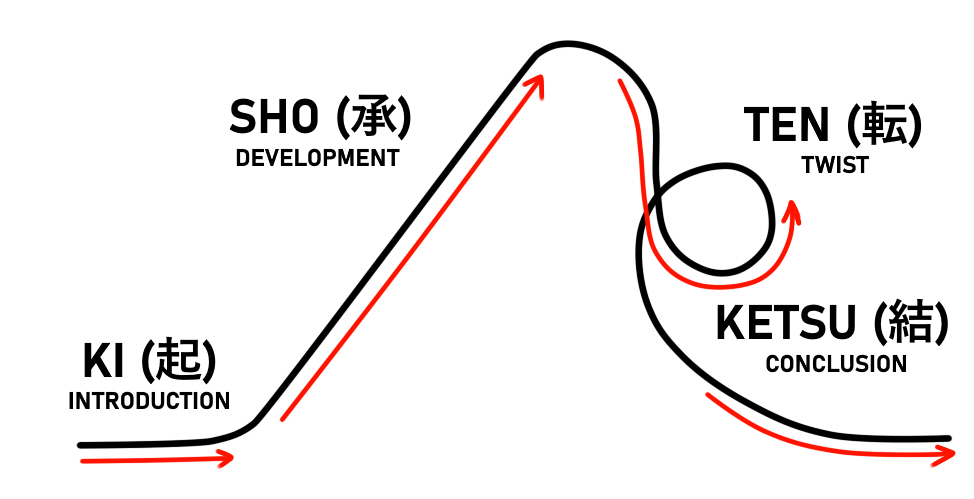
Kishotenketsu is a four-part story structure commonly used in Japanese storytelling.
- KI: Introduction Introduce your characters, setting and the main ideas of the story.
- SHO: Development Follow the journey as your characters work towards their goals.
- TEN: Twist Introduce a surprising event or development that changes the direction of the story.
- KETSU: Resolution Bring the different parts of the story together and create a satisfying ending.
English Novel Structure
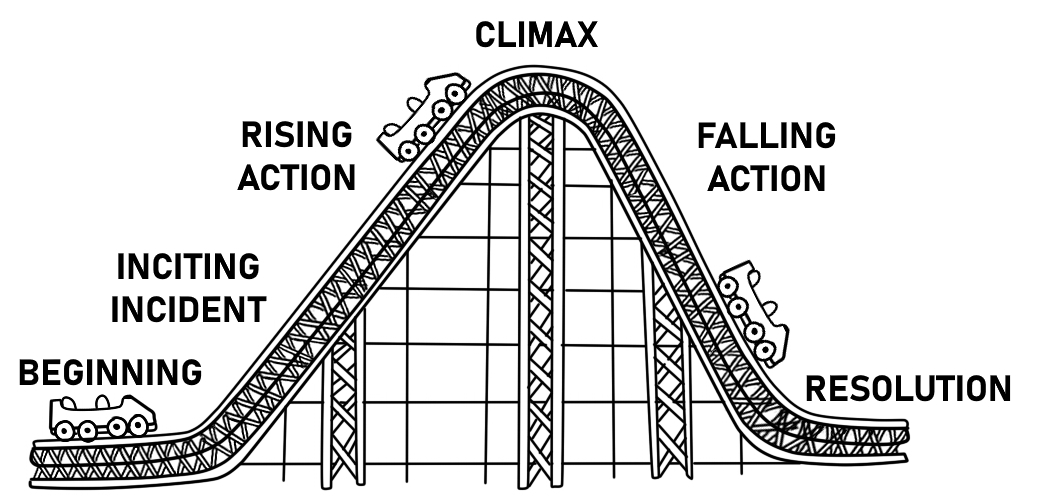
You can also use a more traditional Western story structure. The version I tend to use includes:
- Beginning: Introduce the characters and setting.
- Inciting Incident: Introduce the event that sets the main story into motion.
- Rising Action: Follow the character as they work towards their goals.
- Climax: Reach the main event that the rest of the story has been building towards.
- Falling Action: Begin tying up the different parts of the story.
- Resolution: Finish the story and resolve the main plot points.
You can use either structure, combine ideas from different structures or develop your own method.
If you're creating a longer shounen manga, you may want to divide your story into arcs.
An arc is essentially a smaller story within your larger story. For example, you might have a training arc, tournament arc or another section of the story that focuses on a particular goal.
Arcs don't necessarily need to follow your chapters or volumes. An arc can be as long or as short as your story needs it to be.
You should also consider how you plan to release your manga.
If you're creating a web manga or webcomic, you have more flexibility with your chapter length. If you're planning to publish traditionally, it can be helpful to keep standard manga page counts in mind.
Once you have your story planned, it's time to turn your ideas into a script.
You can write your script for an entire volume or work chapter by chapter.
There are several ways you can approach this.
One simple method is to write the character's name, dialogue and actions. This is the method I personally find easiest to follow when I move on to storyboarding.
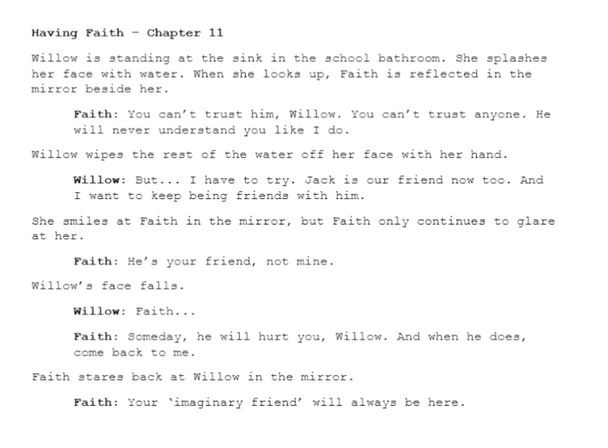
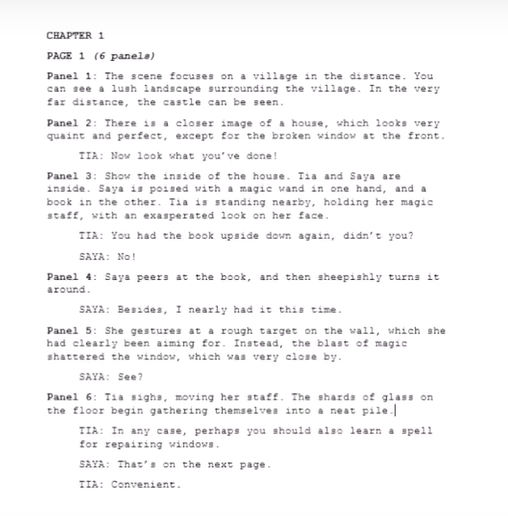
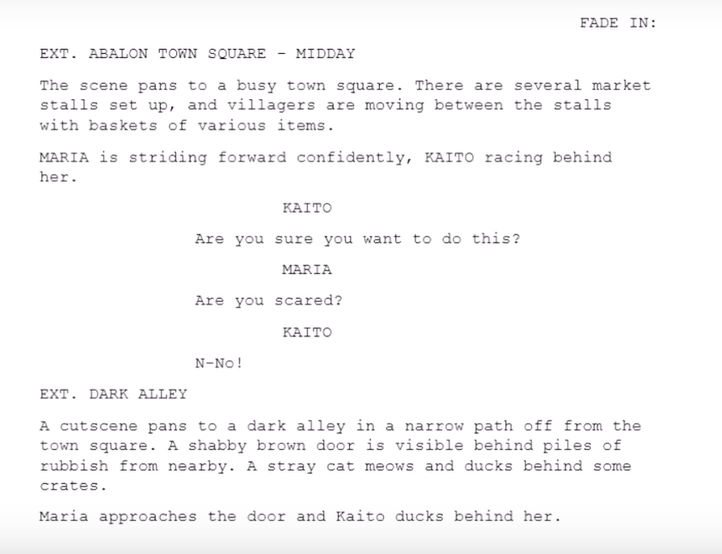
Now it's time to turn your script into a storyboard.
Your storyboard is where you can experiment with your page layouts before creating the final artwork.
Try different panel arrangements, character positions and dialogue placement until you find a layout that works for the scene.
This is also the best stage to make changes.

Take your time with your storyboard. It is much easier to move a character or change a panel here than it is after you've already finished the artwork!
Once you're happy with your storyboard, you can begin creating the final artwork.
Sketch
Follow your storyboard and create your sketches. Add as much detail as you need to make the inking stage easier.
If you're working traditionally, keep your sketch light so you can erase it later.

Next, finalise your line art.
Ink the borders of your manga panels, characters, speech bubbles and other important elements.
If you're working traditionally, you can use a thicker pen for your panel borders and a finer pen for your character line art.

Manga screen tones can be used to add shading and texture to your pages.
If you're working digitally, your software may include screen tones that you can use. If you're working traditionally, you can also use grey pens, pencils or other shading techniques.

Cross-hatching is another technique you can use to add texture and shading.
Try drawing lines in different directions or crossing lines over one another. This can be particularly useful for adding texture to things like hair and clothing.

Finally, add the small details that bring your page together.
You might add extra shading, highlights, effects or other details that help emphasise the characters and action.
Take some time to look over the entire page and make sure everything is working together.

Once you've completed your chapter, it's time to decide what you want to do with it.
You could:
- Enter your manga into a competition.
- Publish it as a web manga or webcomic.
- Self-publish it.
- Continue creating it for fun while developing your skills
Creating a shounen manga is a big project, but breaking it into smaller stages can make the process much easier.
Start by brainstorming your genre, themes and visual ideas. Then create your characters, plan your story and divide your story into chapters or arcs if needed.
From there, write your script, create your storyboard and only then move on to your final artwork.
The more you practise this process, the easier it will become to turn your ideas into finished manga pages!
Creating a shounen manga is a big project, so don't feel like you need to have everything figured out straight away. Start with a few ideas, develop your characters, plan your story and gradually work your way towards your finished pages.
The most important thing is to find a creative process that works for you. You might change your story while you're writing it, redraw your characters or completely rearrange your storyboard. That's all part of creating a manga!
Take your time, experiment with your ideas and most importantly, have fun creating your own story.
The Manga Creator Bundle is designed to help aspiring manga creators and comic artists organise every stage of the creative process. From developing memorable characters and planning your story to building a consistent creative routine and reviewing your finished work, these printable resources provide a practical guide for bringing your ideas to life.
LEARN MORE


