.png "MidnightXCross")
How To Create A LitRPG Manga, Comic, Or Light Novel
How to Create a LitRPG Manga, Comic, or Light Novel
Have you ever wanted to create an RPG manga, comic or light novel where your characters can level up, gain experience,
unlock new abilities and fight powerful bosses?
That’s exactly what we’re looking at in this lesson: how to create a LitRPG story.
LitRPG is a really interesting genre because it combines the experience of reading a story with the mechanics we normally associate with role-playing games.
Your characters might gain experience points, level up, complete quests, find rare items and develop new abilities but ultimately, you’re still telling a story.
So, let’s take a look at how you can build your own LitRPG world!

What Is LitRPG?
LitRPG is a category of stories that focuses on characters living in a world that works similarly to an RPG game.
A major focus is usually on levelling up and progression. As the character experiences new challenges, they gain experience, become stronger and unlock new abilities.
In manga and anime, LitRPG is commonly combined with genres such as isekai and fantasy, but it can also work really well with science fiction, dystopian stories and other genres.
The important thing is that the game mechanics are actually part of the story.
You might have a character who receives experience points after defeating a monster, unlocks a new skill after completing a quest, or discovers that they need to reach a certain level before they can enter a dangerous area.
But remember: you're not actually creating a video game. You're creating a story that uses video game elements.
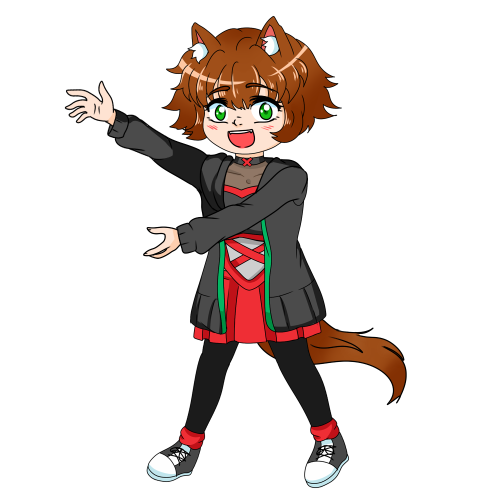
Think about the game mechanics as tools that help you tell your story. You don't need to explain every statistic or item if it doesn't contribute something interesting to the character's journey.
When you're creating a LitRPG story, one of the first things you need to consider is how your character reaches the RPG world.
Think about what would happen in the most natural and meaningful way for your story.
There are several common approaches you can use.
Reborn in an Isekai RPG World
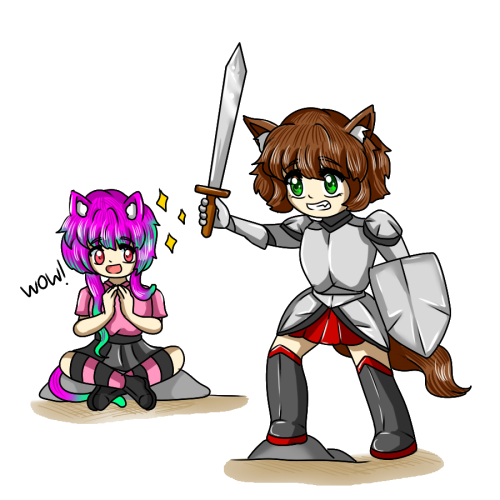
One popular option is for the character to be reborn in another world that operates like an RPG.In many isekai stories, the character may die in the real world and then be reincarnated in a fantasy or game-like world.
This gives you an opportunity to introduce the game mechanics at the same time as you introduce the new world.
A Dystopian or Apocalyptic RPG World
Your character doesn't necessarily have to be playing a game.Instead, the world around them could suddenly start behaving like an RPG.
For example, after an apocalyptic event, people might receive status screens, gain experience from defeating monsters and unlock skills as they survive.
This approach can work particularly well with science fiction and dystopian stories.
Trapped Inside a Game
Another option is for your character to become trapped inside a video game.Perhaps they were playing normally and suddenly discovered that they couldn't log out.
Now they need to survive within the game world and find a way home.
Alternatively, your story could follow a character who can move between their real life and their game life, allowing you to explore the contrast between the two.
Why does your character enter this world? Think about how entering the RPG world could connect to your character's personal journey.
Does being trapped in the game force them to confront something about themselves?
Does being reborn give them a second chance?
Does the RPG system appear because the world itself is changing?
Once you've decided how your character enters the RPG world, you need to think about the main goal.
There are actually two goals you should consider:
- The goal of the game.
- The goal of the main character.
For example, the goal of the game might be:
Defeat the final boss.
But the protagonist's goal might be:
Escape the game and return home.
These goals are different, but they can eventually connect.
As the protagonist progresses through the story and works towards their personal goal, they may also end up resolving the larger goal of the game.
This creates a really useful structure because your character has a personal reason to keep moving forward, while the RPG world provides external challenges.

The game requires the protagonist to defeat the Demon King.
The protagonist doesn't particularly care about saving the world. They simply want to find a way home.
However, the only way to reach the portal that can take them home is to defeat the Demon King.
Now the character's personal goal and the game's main goal naturally become connected.
World building is one of the most important elements of a LitRPG story.
Your readers should feel like the RPG world is somewhere they would actually want to explore.
Think about what makes your world unique.
- What kinds of characters live there?
- Are there unique fantasy or science fiction species?
- Are there unusual animals or monsters?
- What kinds of plants grow there?
- How did these things come to exist?
You don't necessarily need to explain all of this to your readers immediately. In fact, leaving some mysteries can make the world more interesting. But as the creator, it helps to understand how your world works.

Create a World Map
You may also want to create a map of your RPG world. Start by identifying important locations.- Where does your protagonist begin?
- Where are the major cities?
- Where are dangerous areas?
- Where are the important dungeons?
- Where is the final boss?
- Where are rare resources found?

Draw a simple map of your RPG world. Start with just five locations:
- The starting location
- A safe location such as a town or city
- A dangerous area
- A significant quest location
- The location of a major boss
Now we need to think about one of the most important parts of an RPG: the power system.
Your power system determines how abilities work within your story.
For a LitRPG, you can approach this from the perspective of a game developer.
Imagine you were actually designing this game.
- What abilities would you include?
- How would characters unlock them?
- How powerful can they become?
- Are there different classes?
- Can characters learn magic?
- Are there passive abilities?
- Are some skills rare?
- Can skills evolve?
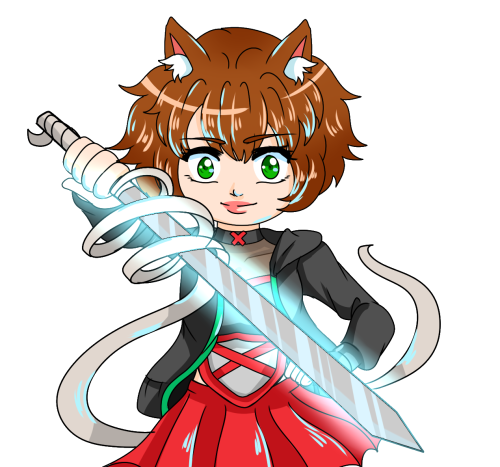

Your power system needs to be consistent. You can absolutely introduce new abilities and surprises, but readers should eventually understand what is possible within your world and what isn't. If your protagonist suddenly gains an incredibly powerful ability with no explanation, it can make the progression feel less satisfying.
Your characters are what will bring your LitRPG story to life. The protagonist is especially important because we're usually following their progression through the RPG world. Let's look at some of the main character types you might include.
The Protagonist
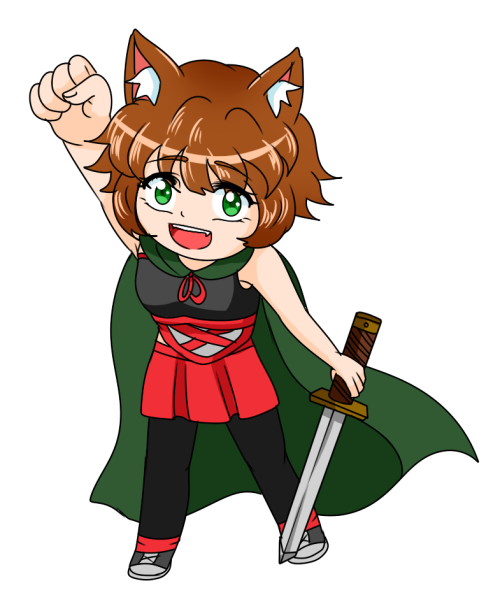
The protagonist is your main character and the person whose journey we follow. They will usually be a hero, but they don't have to be. You could create a morally grey protagonist or even a villain protagonist. Whatever type of character you choose, they should experience progression throughout the story. Think about where they begin and where they eventually end up.- What abilities will they gain?
- What weaknesses will they overcome?
- What will their biggest upgrades be?
The Antagonist
The antagonist is another important character in your RPG story. They might be the main boss of the game, but this isn't always the case. You can also include smaller antagonists, enemies and rivals throughout the story. These characters can challenge the protagonist and force them to become stronger. They may be working for the main antagonist, competing against the protagonist or simply pursuing their own goals.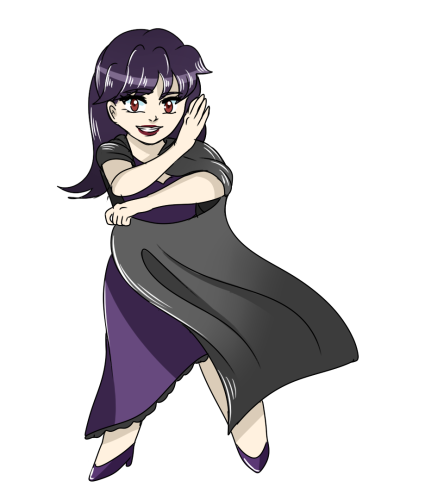
The Deuteragonist
The deuteragonist is the secondary main character. You might have one secondary character who travels alongside your protagonist, or you could have a small group. This character could be a friend, ally, rival or companion who helps your protagonist throughout their journey. Of course, your protagonist doesn't have to have a companion. If your character works better as a solo adventurer, you can focus primarily on their individual journey.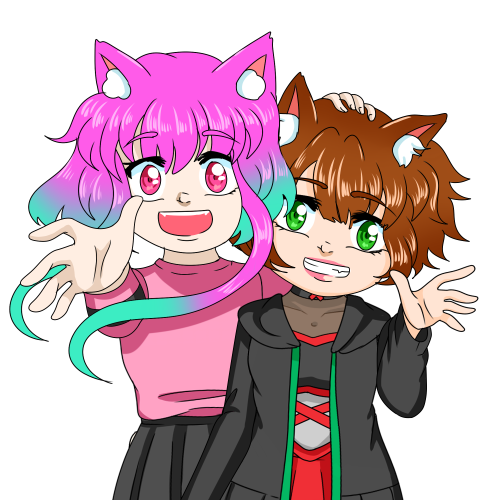
Other Characters
You may also want to include:- Rivals
- Friends
- Mentors
- Allies
- Enemies
- Quest-givers
- Other players
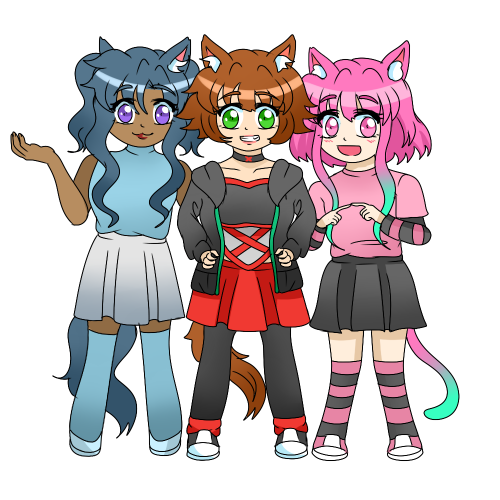
Now let's talk about the actual levelling system. A levelling system determines how your character progresses through the game. In many RPGs, a character reaches a certain amount of experience and then levels up.
But you need to decide exactly how this works in your story. Consider questions such as:
- How many levels are there?
- What is the maximum level?
- How much experience is required for each level?
- What activities provide experience?
- Do different monsters provide different amounts of experience?
- Do quests provide experience?
- Are there other ways to gain experience?
- What happens when the character levels up?
- Do they gain new skills, stats, abilities or equipment?
Don't feel like you need to show every single level-up. If your protagonist goes from Level 1 to Level 100, you don't need to write a scene for every level. Remember, you're creating a story, not documenting someone playing a video game. Focus on the level-ups and upgrades that are actually meaningful to the character's journey.
One of the most important elements of LitRPG is progression. Your character should feel different at the end of the story compared with how they were at the beginning.
A useful progression structure might look something like this:
Beginner Level
Your character is new to the game.They're a complete noob and don't really understand what they're doing.
They're learning about the world, the game mechanics and their own abilities.
You can skip or shorten this stage if your character already has experience with the game.
First Threat
Your protagonist experiences real danger for the first time.This is where they discover their limitations.
Perhaps they thought they were stronger than they actually are.
Perhaps they discover that one of their abilities isn't as useful as they expected.
This gives them something they need to work on.
Training
Now your protagonist needs to become stronger.They might train, complete quests, fight monsters or learn new abilities.
This is where they begin to understand the RPG system and their own potential.
First Major Upgrade
Your character receives their first significant upgrade.This could be a new ability, weapon, class, transformation or skill.
The upgrade should feel meaningful because the character has worked towards it.
Boss Fight
Now your protagonist faces the major enemy they've been preparing for.The boss should test what they've learned.
This is where you can show the results of all their previous training and progression.
Results
After the battle, your character has changed.Perhaps they've gained experience, reached a new level, unlocked an ability or discovered something important about themselves.
And then the cycle can begin again.
Try planning your protagonist's first major arc using this structure:
1. Beginner →
2. First Threat →
3. Training →
4. Upgrade →
5. Boss Fight →
6. Results
Then repeat the structure with increasingly difficult challenges as your protagonist becomes stronger.
Boss battles are an important part of RPG stories. Usually, your character won't immediately fight the strongest enemy in the game.
They'll need to fight smaller monsters and overcome challenges until they're strong enough to face the boss. So think about what your protagonist needs to do before they can reach that battle.
This gives you opportunities to create smaller adventures within the larger story.
For example, they might need to complete a specific quest, have a particular weapon, find a key, or defeat several smaller enemies first.
And remember that the boss doesn't always have to be a straightforward fight.
The protagonist might need to solve a puzzle or discover the boss's weakness before they can win.
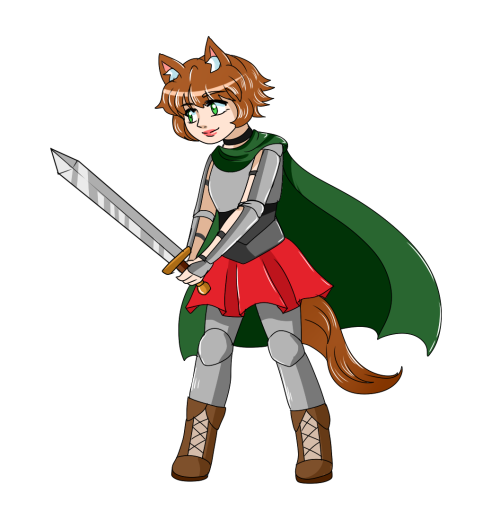
Your character doesn't just become stronger through experience. They can also become stronger through the equipment they use.
Think about how your protagonist will upgrade their:
- Weapons
- Armour
- Accessories
- Magical items
- Tools
- Special equipment
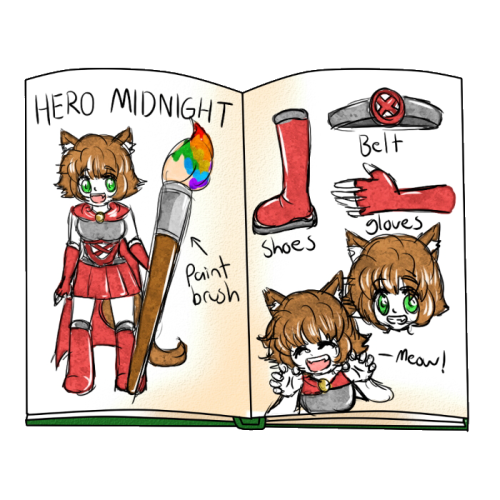
Where did it come from?
What is it made from?
Why is it stronger than their previous weapon?
Is the material rare?
Can it be upgraded?
You can also introduce particularly rare or legendary items that grant special powers. This is a great opportunity to make certain items feel important to the story rather than simply being another statistic on a character sheet.
Your protagonist begins with a basic iron sword.
Later, they discover a rare crystal deep inside a dungeon.
The crystal can only be found in that particular region, so they take it to a legendary blacksmith.
The blacksmith uses it to create a weapon with a unique ability.
Now the weapon upgrade isn't just a random power-up. It's connected to the world, the adventure and the resources your protagonist has discovered.
Finally, think about something that can make your LitRPG story much more meaningful: What impact does your protagonist have on the world?
LitRPG isn't just about your character living inside a game. It's also about how they affect the world around them. This can be especially important in isekai stories.
Consider how your protagonist changes the lives of other characters.
- Do they save people?
- Do they destroy something?
- Do they become a legendary hero?
- Do they accidentally cause problems?
- Do they change the balance of power?
- What will people remember about them?
You might have a protagonist who becomes a legendary hero, or one who leaves destruction in their wake.
That choice is completely up to you.
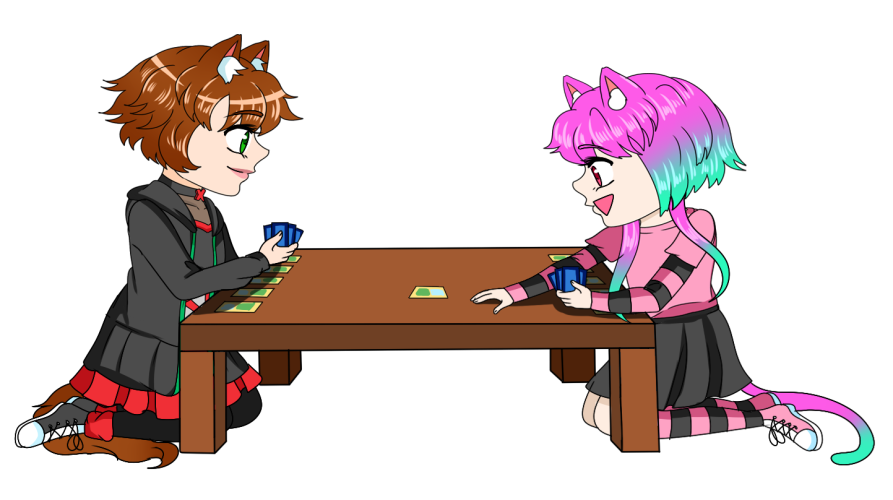
Balancing the Game and the Story
As you're developing your LitRPG, there's one thing I really want you to keep in mind: Balance the game elements with the story elements.You want your RPG system to make sense. Your world should have believable rules, abilities, levels, quests and progression.
But you also need a good story.
If you focus too much on the game mechanics, your story can start to feel like a list of statistics.
On the other hand, if you barely use the RPG elements, readers may wonder why the story is a LitRPG in the first place.
The goal is to find the balance between the two.
Think about the kind of RPG you would genuinely enjoy playing.
What kinds of abilities would excite you?
What kind of world would you want to explore?
What kind of boss would you want to fight?
What kind of legendary item would you want to discover?
Then take those ideas and turn them into a story.
Imagine that you are actually developing your LitRPG as a video game.
Ask yourself:
What would make me want to keep playing?
Then ask:
What would make me want to keep reading?
Your answers to those two questions can help you find the balance between your game mechanics and your story.
- Decide how your protagonist enters the RPG world.
- Create a clear personal goal for your protagonist.
- Consider the main goal of the game.
- Build a unique world with its own lore and history.
- Develop a consistent power system.
- Create a cast of characters who help or challenge your protagonist.
- Design a levelling and experience system.
- Plan meaningful character progression.
- Create challenging enemies and memorable boss battles.
- Develop weapons, armour and other item upgrades.
- Think about how your protagonist changes the world around them.
- Most importantly, balance your game mechanics with your story.
Creating a LitRPG can be a lot of fun because you get to combine the structure and progression of a game with the creativity of storytelling.
You can create a world your readers want to explore, characters they want to follow and a progression system that makes every new achievement feel exciting.
So, as you're planning your story, keep asking yourself:
Would this be a game I'd want to play?
And then ask the even more important question:
Would this be a story I'd want to read?
If you can answer yes to both, you're well on your way to creating an engaging LitRPG story.
Build your own game-inspired adventure from the ground up!
Whether you're writing a LitRPG novel, a video game, a progression fantasy series, or simply love creating RPG inspired worlds, this workbook takes you step by step through the process of turning your ideas into an immersive world built on video game mechanics.
Level Up Your Story is an interactive planning workbook that helps writers and artists design everything from quests and loot systems to characters, NPCs, world lore, power systems, abilities, armour, and weapons. This workbook guides you through the process of building a fully realised RPG world and connecting it directly to your story.
Designed for both beginner and experienced writers, this workbook combines world-building, game design concepts, and storytelling techniques into a practical resource you can use again and again.


